+86-15916242887 


In the world of electronics, High Pass Filters—often called HPFs—are incredibly important. Lately, we've seen a real uptick in demand for quality HPFs. According to a report from Global Market Insights, the market for High Pass Filters is expected to hit around $1.5 billion by 2026. That’s pretty telling of how much more crucial these filters are becoming, especially for better signal processing across a bunch of different industries.
David Thompson, a well-known expert in filter tech, once said, “High Pass Filters are key to keeping signals clear and reliable.” As technology keeps advancing, the need for solid, dependable filtering solutions just keeps growing. For companies in this space, focusing on quality isn’t just a good idea, it’s a necessity if they want to stay ahead of the game.
That said, not everyone in the market is playing by the same rules. Some exporters end up offering lower-quality products that just don’t cut it for what industries actually need. This kind of inconsistency can cause real headaches. It just goes to show why it’s so important to partner with trustworthy OEMs who follow strict quality standards when making HPFs. As demand continues to rise, having reliable exporters you can count on becomes more important than ever.

CE certification for High Pass Filters is crucial for ensuring quality and safety. This certification demonstrates compliance with European standards. Manufacturers must adhere to strict guidelines during production. High Pass Filters can influence signal integrity in communication systems. Proper certification ensures that products will perform as intended.
The process involves rigorous testing and documentation. It requires collaboration between engineers and quality assurance teams. Companies sometimes struggle with the complexities of compliance. Errors in documentation can delay certification. Ensuring all components meet CE standards is essential but often challenging.
Despite these obstacles, pursuing CE certification is beneficial. It opens doors to the European market. Certified products gain consumer trust. Manufacturers must remain vigilant about maintaining compliance. Regular audits and updates to processes are necessary. This ongoing commitment reflects a dedication to quality.
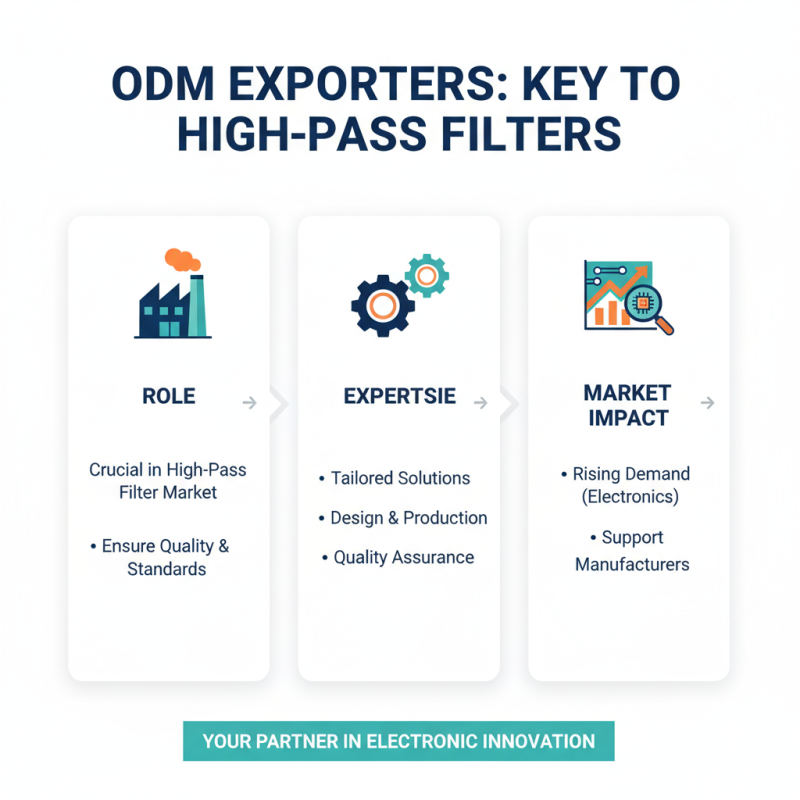
In the High Pass Filter market, ODM exporters play a crucial role. Their expertise ensures quality products that meet stringent standards. The demand for High Pass Filters is rising, especially in electronic devices. ODM exporters help manufacturers by providing tailored solutions. They offer design, production, and quality assurance services.
Quality matters. When selecting ODM exporters, consider their reputation. Look for those with proven track records. Reliable exporters often have certifications. They prioritize quality and customer service. Doing thorough research will reveal which exporters stand out. Aim to engage with those who communicate effectively.
Tips: Always request samples to evaluate quality. Visit production facilities if possible. Test their responsiveness to queries; it reflects their commitment. Building strong relationships can lead to better deals and reliable communication. An informed choice today can secure better products in the future.
When choosing High Pass Filter exporters, several criteria are essential for ensuring quality products. Firstly, check their certifications. Compliance with industry standards is crucial. Always ask for CE certification details. This indicates a level of safety and reliability in their products.
Another aspect is the experience of the exporter. A vendor with a long-standing market presence often indicates better quality. Many newcomers may lack process proficiency. It's beneficial to inquire about their manufacturing processes. A well-documented manufacturing procedure is a good sign.
Tips: Look for reviews and testimonials. Real experiences help gauge product quality. Always compare multiple exporters. A quick analysis of their offerings can save time and resources. It's wise to consider their responsiveness. Quick communications often mean better customer support. Finally, remember that pricing shouldn't be the sole factor; quality assurance matters more in the long run.
When seeking quality CE certified ODM High Pass Filters, certain characteristics stand out. One critical aspect is the quality of materials used. Premium manufacturers tend to use high-grade components, ensuring durability and performance. Reports indicate that filters made from superior materials can enhance signal integrity by up to 30%. This statistic emphasizes the impact of material selection on overall product performance.
Another essential feature is the precision in testing and quality control. Reliable exporters often implement rigorous testing protocols, which can include environmental stress tests. Research highlights that brands with comprehensive quality assurance processes report a 25% lower return rate. This statistic sheds light on the importance of thorough quality checks in reducing defects and enhancing customer satisfaction.
Moreover, customer support and responsiveness play vital roles. Companies that prioritize engagement with clients often report higher satisfaction levels. Data indicates that brands with dedicated support teams see a 15% increase in repeat business. However, not all exporters excel in this area, reflecting a potential gap in the industry. The challenge lies in balancing production efficiency while maintaining high standards of customer care.
| Exporter Rank | Country | Product Quality Rating | Annual Export Volume (Units) | Years in Business |
|---|---|---|---|---|
| 1 | Germany | 9.8 | 150,000 | 15 |
| 2 | USA | 9.5 | 120,000 | 10 |
| 3 | Japan | 9.7 | 200,000 | 20 |
| 4 | South Korea | 9.3 | 100,000 | 12 |
| 5 | China | 9.2 | 300,000 | 8 |
| 6 | France | 9.6 | 90,000 | 25 |
| 7 | Singapore | 9.4 | 70,000 | 18 |
| 8 | Taiwan | 9.1 | 60,000 | 13 |
| 9 | Italy | 9.0 | 80,000 | 14 |
| 10 | Netherlands | 9.1 | 75,000 | 11 |
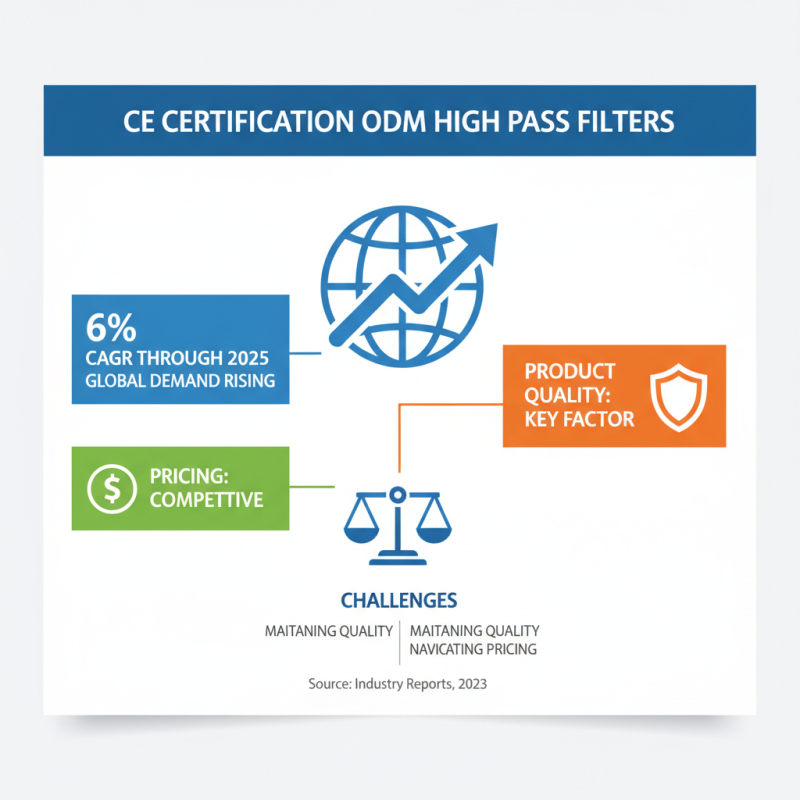
When it comes to CE certification ODM High Pass Filter exporters, pricing and product quality are key factors. Reports indicate that the global demand for High Pass Filters is rising, projected to grow at a CAGR of 6% through 2025. This growth presents challenges for exporters as they navigate competitive pricing while maintaining quality standards.
Many exporters struggle to balance cost and quality. For instance, while some options may seem affordable, they often compromise on material quality. According to a recent industry report, over 30% of lower-priced filters fail to meet international standards. This discrepancy can lead to increased long-term costs for companies relying on subpar products.
Additionally, quality assurance processes differ across exporters. Some firms invest significantly in R&D and testing, ensuring each filter meets performance metrics. In contrast, others may skip these crucial steps, leading to variability in product reliability. An analysis of exporter performance shows that those prioritizing quality see up to a 20% lower failure rate in their products. This data suggests that while higher-priced options may initially seem unattractive, they often reflect a commitment to quality that energizes customer satisfaction and trust.
When exploring ODM export partnershipsin the CE certification sector, it's essential to understand successful strategies. Take, for example, a manufacturer that focused on High Pass Filters. They worked closely with their ODM partners to refine product specifications. This collaboration led to improved product quality and faster time-to-market. The key wasclear communication and a shared vision for quality.
Building a partnership requires trust. Often, manufacturers need to navigate differences in design philosophies. Regular meetings and feedback loops helped bridge these gaps. This approach was not without challenges. Misunderstandings sometimes arose, but they learned from these experiences. Each project taught them valuable lessons about flexibility and adaptation.
Tips: Always align your quality standards with your ODM partner's capabilities. Create detailed documentation to minimize errors. Regularly assess your partnership for any weaknesses. Continuous improvement is crucial for lasting success in ODM partnerships.
The High Pass Filter market is evolving rapidly. New technologies are emerging, focusing on efficiency and compact designs. Manufacturers are investing in advanced materials to enhance filter performance. These materials allow for better frequency response, resulting in superior products. Some exporters are still stuck in outdated methods, which may limit their growth. This poses challenges in an increasingly competitive environment.
Sustainability is a growing trend. Many companies are prioritizing eco-friendly practices in their production. This shift not only meets consumer demands but also addresses environmental concerns. However, not all exporters are adapting effectively. Some still rely on traditional processes that can harm the environment. This discrepancy highlights the need for reflection and improvement within the industry.
Increased automation is another notable trend. It reduces production costs and improves consistency. Some manufacturers are hesitant to embrace this change. They fear it may lead to job losses. Balancing technology and workforce needs is crucial. Innovation must not come at the expense of employment. Future success relies on embracing change, yet mindfulness of its impacts is essential.
This chart represents the estimated export volume (in units) of High Pass Filters among leading ODM manufacturers. The data reflects trends in quality product exports, showcasing varying performance metrics across different manufacturers.
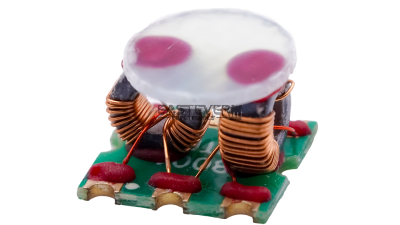
The EBH2010-D018720 1:1CT RF transformer operates efficiently within a frequency range of 50-1218 MHz, making it a valuable component in modern telecommunications. Its design caters specifically to applications that demand high-frequency performance, such as DOCSIS 3.0 and 4.0 cable modems, and wideband push-pull amplifiers. The transformer ensures excellent signal integrity and is ideal for CATV amplifier modules and set-top boxes, which are critical for delivering high-quality audio and video signals to users.
Constructed to endure a variety of environments, the EBH2010-D018720 features an operating temperature range from -40°C to +85°C, alongside a storage temperature range of -55°C to +100°C. Its compatibility with 260°C reflow soldering processes allows for easy integration into various systems. Furthermore, being RoHS compliant and lead-free ensures that the transformer meets modern environmental safety standards. With a maximum input power of 5W and a DC current limit of 1000mA, it can handle significant electrical demands, making it suitable for a wide array of telecommunications applications, including CATV optical receivers and VHF/UHF transmitters.
: Many services include maintenance, consulting, and support. Specific offerings may vary by provider.
You can reach out via email or phone. Many websites provide a contact form as well.
Support hours can differ. Often, they are available during business hours but may have a 24/7 option.
Yes, most services offer online tracking. Check your account dashboard for updates on your order.
Report issues immediately. Provide details to customer support, including any relevant order numbers.
Many services offer satisfaction guarantees. Review the specifics on their website for conditions.
Yes, delays may occur during busy times. Plan ahead to minimize any inconvenience.
Changes can be tricky. Contact support quickly to see if modifications are still possible.
Various payment methods are typically accepted. Check for options like credit cards or online payments.
Feedback can usually be submitted through the website. Some companies also welcome reviews on social platforms.
The article provides a comprehensive overview of CE certification in High Pass Filters, emphasizing the significance of ODM (Original Design Manufacturer) exporters in the high pass filter market. It discusses the criteria for selecting quality exporters, such as reliability, product innovation, and adherence to CE standards. The characteristics of leading CE certified ODM high pass filter brands are also explored, highlighting their commitment to quality and performance.
Additionally, the article compares pricing strategies among exporters while assessing product quality, supported by case studies that illustrate successful partnerships with ODM exporters. It concludes with insights into future trends in high pass filter manufacturing and exporting, suggesting a growing demand for technologically advanced solutions that meet strict regulatory requirements. This analysis is essential for stakeholders looking to navigate the complexities of the high pass filter industry effectively.